What are discrete and continuous processes in industry?
Discrete process and continuous process are two fundamental types of production in industry, mainly differentiated by the nature of the workflow and how materials or products are managed along the production chain.
Discrete Process

A discrete process is characterized by the production of individual items or products, which can be easily counted and distinguished. Each item or piece has a clear start and end in the manufacturing process. Typical examples include automobile manufacturing, electronic devices, and household appliances.
Characteristics of discrete processes:
- Products are separate units manufactured in batches or individually.
- There is a clear distinction between one product unit and another.
- Common in industries producing customized or smaller quantities, such as automotive or electronics.
- Products can be assembled from various parts or components.
Continuous Process
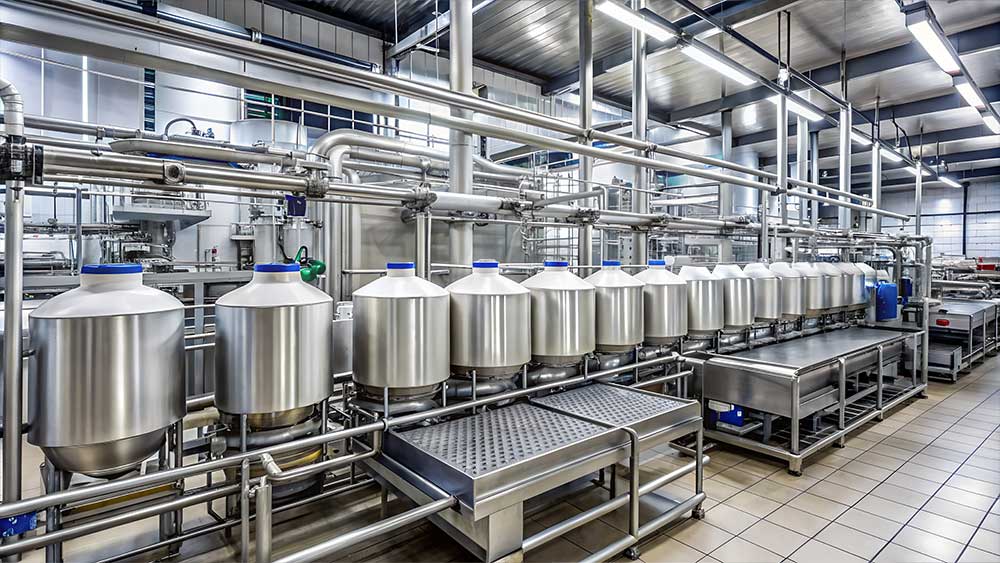
A continuous process, on the other hand, involves an uninterrupted flow of production, where products are created without breaks and the process has no clear endpoint. This type of production is typical in industries processing liquid, gaseous, or granular materials, such as chemical, petrochemical, pharmaceutical, or food industries.
Characteristics of continuous processes:
- The production flow is constant with no visible separation between products.
- Production is massive, often aimed at manufacturing homogeneous products.
- Common in industries requiring uninterrupted mixing, refining, or chemical reactions.
- Examples include fuel, cement, steel, or pharmaceutical product production.