APS – Advanced Production Planning Software
Simulate different scenarios and generate production plans in real time to anticipate unforeseen events.
WHAT IS AN APS SYSTEM AND WHAT IS IT FOR?
Advanced Production Planning and Scheduling (APS) software, designed to create a flexible and scalable manufacturing model, avoiding stockouts, bottlenecks, and delays that compromise delivery times to customers.
The system organizes production resources, intelligently assigns workload, and supports decision-making to optimize factory efficiency.
A solution that adapts to all industrial sectors and is suitable for both large companies and SMEs.
What does advanced planning software allow?
- Detailed planning of manufacturing orders
- Optimized scheduling of machines and resources
- Consideration of inventory and operational constraints
- Comparison of different production scenarios to choose the best option
- Effective and rapid implementation
APS tools integrate easily with the main ERPs on the market. Implementation is agile and results are visible from the first weeks of implementation.
Key Functions of the APS System
Generation of production plans in real time: automatically creates programs adjusted to capacity, demand, and inventory.
Automatic scheduling and sequencing of manufacturing orders with scenario simulation.
Visualization of sequencing in tables and GANTT charts.
Flexible readjustment of planning: freeze operations, change sequences, add resources, plan unavailable times, etc.
Automatic configuration of production calendars and shifts to guarantee on-time deliveries.
Calculation of productivity, delivery dates, and workloads.
Management of alarms and alerts for deviations or incidents.
Generation of reports and personalized reporting.
Key Benefits of the APS System
- Greater agility and capacity to react to unforeseen changes in production through rapid simulation of alternative plans.
- Optimization of resources and processes based on the real capacity of the plant.
- Improved compliance with delivery deadlines thanks to planning and sequencing adjusted to operational reality.
- Compatible with multi-plant environments, facilitating the deployment of the system in different production centers.
- Certified platform fully compatible with the main ERPs on the market.
- No integration risks: does not modify processes or architecture in systems such as SAP or other ERPs.
Transform your Factory into a more Agile and Efficient Operation
Use Cases

High Variability of Orders
Replan production programs agilely in the face of new orders or priority changes.

Multiple Production Lines
Decide which products to manufacture, when, and on which line, optimizing the use of resources and minimizing changeover times.

Restrictions on Materials, Machines, or Personnel
Consider the real availability of resources to generate viable plans, avoiding bottlenecks and delays.

Just-in-time Manufacturing and Personalized Orders
Adjust the schedule agilely in the face of demand changes, customer urgencies, or incidents in the plant.

Simulation of Production Scenarios
It allows comparing different plans before executing them, selecting the most efficient according to costs, deadlines, or capacity.

Management of Calendars and Work Shifts
Plan based on real work schedules, holidays, scheduled maintenance, or variable shifts.
Related Solutions and Services
MES – Manufacturing Execution System
Geprom’s MES is designed to act as the central hub of industrial operations, integrating with automation (SCADA, PLC), business (ERP), and support (quality, maintenance, logistics) systems. Its modular architecture allows for flexible scaling, from data capture to complete traceability.
- Native integration with SCADA/DCS for real-time data capture
- Connection with ERP for orders, stocks, and reporting
- Interoperability with quality, traceability, CMMS, and WMS modules
- Validation in SAP, Microsoft, SAGE, etc. environments
- Multi-site and multi-plant architecture

Energy Efficiency Software
Integration with CMMS, MES, SCADA, and electrical devices
Connected, supervised, and optimized energy in real time
Geprom’s energy efficiency software integrates with the rest of the plant architecture to provide a complete view of consumption. It connects with SCADA to acquire electrical data, with CMMS to optimize maintenance, and with MES to correlate consumption with productivity.
- Captures data from SCADA and electrical sensors
- Crosses energy consumption with OEE, batches, or shifts via MES
- Integration with CMMS for predictive energy maintenance
- Compatible with ISO audits and industrial energy regulations

Industrial Control Tower
Integration with all MOM, ERP, IoT systems, and BI platforms
Centralized command center for global decision-making
Geprom’s industrial control tower collects data from MES, SCADA, ERP, and IoT sensors to provide a unified view of the entire factory or group of plants. It is the top layer of operational intelligence, ideal for multi-plant environments and distributed processes.
- Integration with MES, SCADA, ERP, IoT, sensors, and external devices
- Creation of personalized dashboards, accessible from any device
- Real-time decision-making based on cross-referenced data
- Global orchestration of processes, plants, and systems
- Automation of decisions based on operational rules

SCADA – Supervisory Control and Data Acquisition
Integration with PLC, MES, DCS, and ERP
Total supervision and basis for industrial digitalization
Geprom’s SCADA system connects with plant devices (PLCs, sensors, actuators) and feeds data to systems such as MES or ERP. It is the basis of real-time supervision and a key pillar for the deployment of MOM architectures.
- Direct communication with PLCs and DCS
- Synchronization with MES for recipe control, alarms, and OEE
- Export of historical data to ERP or BI
- Flexibility to connect to existing sensors, HMI interfaces, and control systems

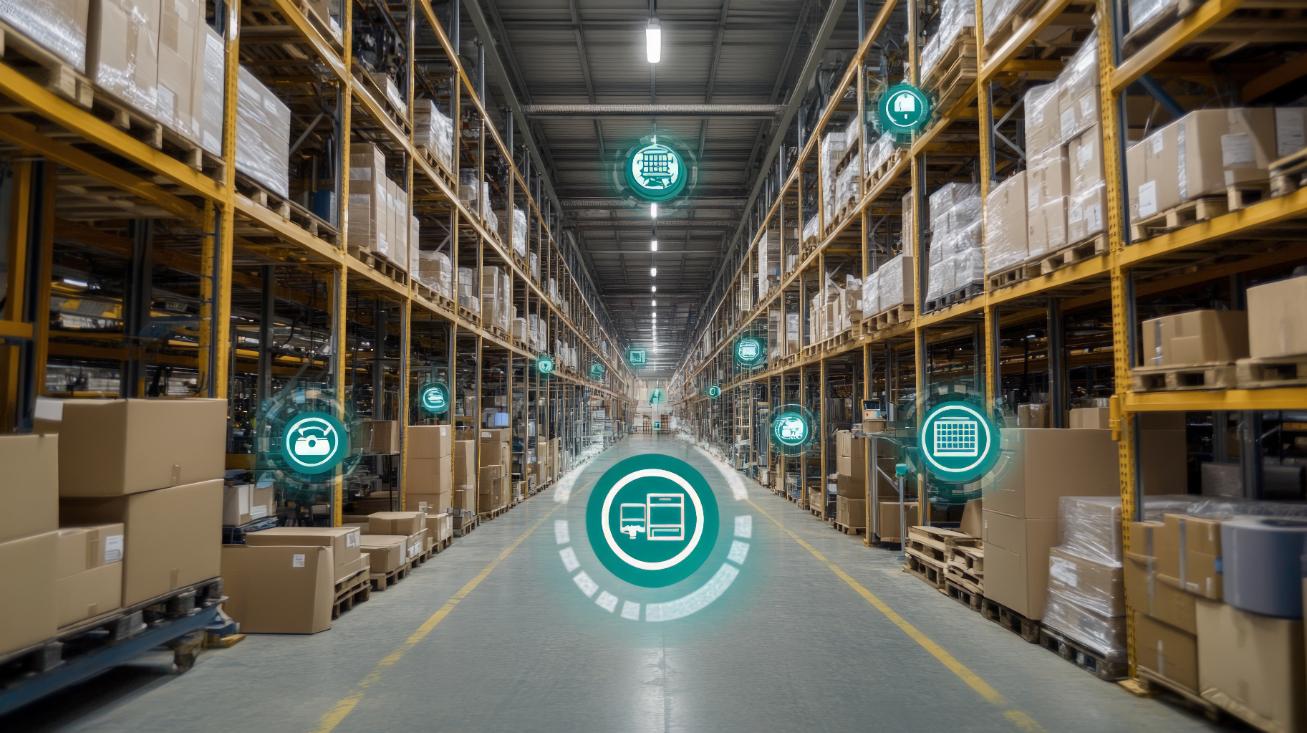
WMS – Warehouse Management System
Integration with ERP, MES, and IoT devices
Logistics and production synchronized in real time
Geprom’s WMS system integrates with the ERP to manage orders, stocks, and work orders, and with the MES to coordinate inputs, consumption, and returns. In addition, it connects with sensors, RFID tags, and logistics automation technologies (robots, AGVs, automatic shelving).
- Connection with MES for operational traceability and production orders
- Integration with ERP for logistics and finance
- Interoperability with RFID, barcodes, NFC, AGVs
- Advanced management of picking, returns, cross-docking
- Total logistics visibility from plant to dispatch
CMMS – Computerized Maintenance Management System
Integration with MES, ERP, WMS, and IoT devices
Connected maintenance for a more efficient factory
Geprom’s GeTag CMMS software integrates in real time with MES, WMS, and ERP to consolidate all information related to assets, maintenance, parts, and resources. Its open architecture allows the incorporation of predictive maintenance technologies and advanced analytics.
- Connection with ERP for purchases, stocks, costs, and planning
- Integration with MES for planning of productive maintenance
- Synchronization with WMS for parts, technical warehouse, and spare parts
- Connectivity with sensors, IoT, NFC/RFID labels
- Prepared for predictive maintenance and advanced analytics

QMS – Advanced Quality Management Software
Integration with MES, ERP, and inspection systems
Connected quality control and total traceability
QMS connects with MES and ERP to guarantee a continuous flow of data between production, quality, and business. In addition, it integrates with LIMS systems, measurement and artificial vision devices, capturing the key parameters in real time to ensure product and process conformity.
- Direct interface with MES to activate automatic controls
- Synchronization with ERP for document and batch management
- Integration with sensors, scales, artificial vision, SCADA
- Compatible with ISO standards, FDA 21 CFR Part 11
- Connectivity with laboratory systems (LIMS)

SCM – Supply Chain Management
Integration with other systems (ERP, MES, APS, WMS, external suppliers)
Total control and end-to-end traceability
Geprom’s SCM system comprehensively coordinates the supply chain, from demand forecasting to final delivery. Its integration capability with ERP, MES, APS, and supplier platforms enables agile, transparent, and efficient management of the entire logistics network.
- Bidirectional connection with ERP (SAP, Dynamics, Oracle, etc.)
- Multisite and multi-logistics center cross-planning
- Simulation of digital twin logistics scenarios
- Inventory optimization and overstock reduction
- Shared visibility with suppliers and subcontractors

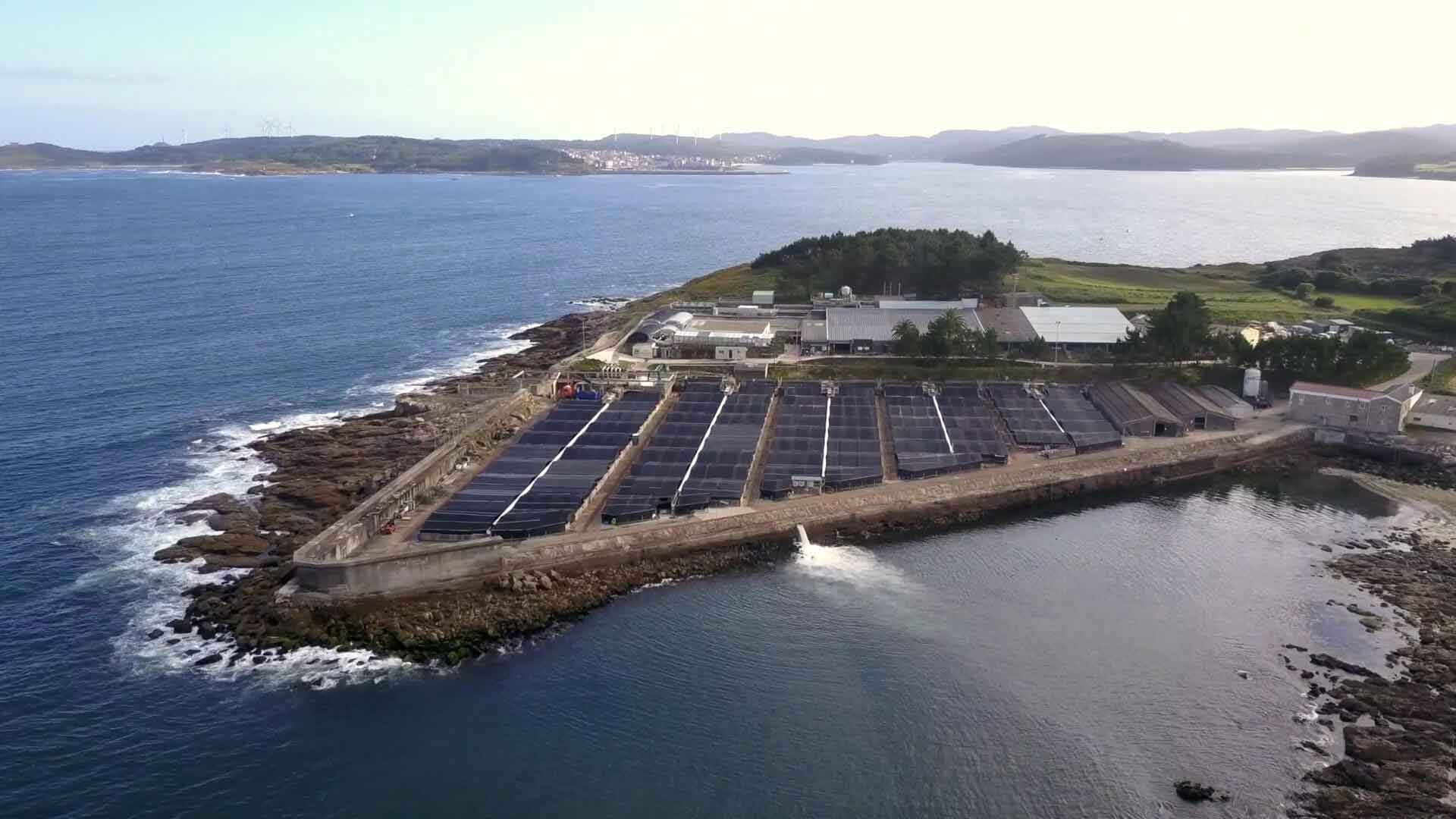
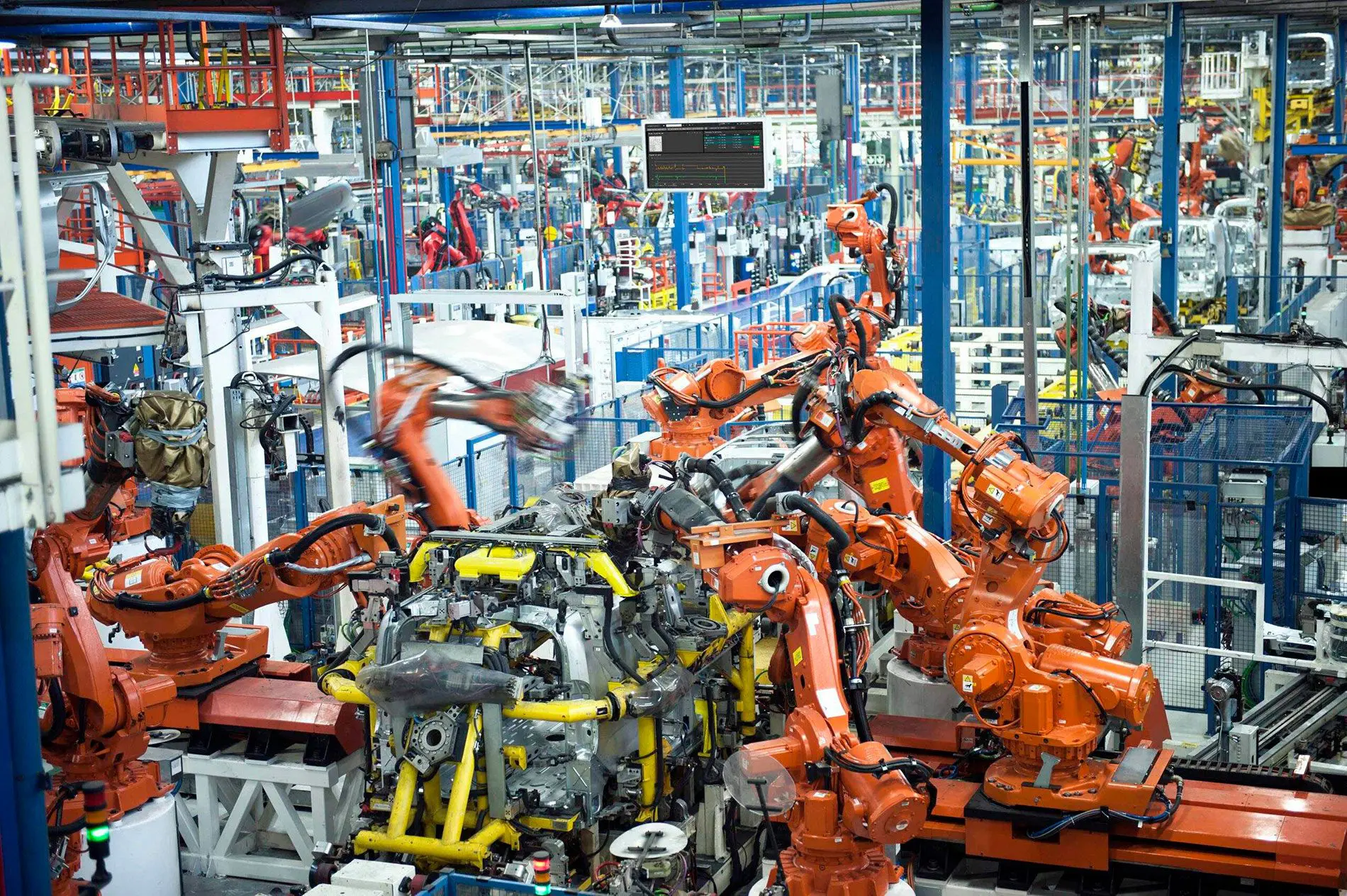
Success Stories





Our Clients

















What our Clients Say
-
“This project is a commitment to innovation that will allow us to evolve our business and thus guarantee the authenticity and quality of our tobacco. With Telefónica Tech’s traceability solution, we comply with European regulations on tobacco products and achieve comprehensive control and monitoring.”
-
“The digital transformation project that we are starting aims to improve each and every one of the company’s processes, adapting to the new technological environments to achieve the highest level of effectiveness and efficiency at the Fini Company”
-
“Measuring, controlling, and reducing the costs of bottling and storage processes is our challenge in a highly competitive environment with companies in the sector and declining consumption in all markets. Decisions regarding both processes, along with those related to quality, must be precise to offer the best service, and thus differentiate ourselves from our competitors.”
-
“The IoT4DigitalTwin project, developed in consortium with Geprom and Gefasoft, has allowed us to incorporate the most advanced technologies of Industry 4.0, is bearing fruit, and represents an advance in boosting our competitiveness and efficiency.”
-
“With the collaboration of Geprom and its GeTag platform, we have boosted the efficiency of our processes by centralizing business information and improving the customer service we offer.”
-
“Through the technology consulting sessions, they outlined the implementation of Industry 4.0, indicating not only the areas for improvement that we were seeking, but also other improvements that will help us enhance our production and our work system.”
-
“Proactively deploying a pilot test of the MES Objective system allowed us to verify the reduction of unnecessary costs to a minimum and allowed us to assess the investment in detail.”
-
“Objective’s technical support service demonstrates its excellent knowledge time and again, available 24 hours a day”
-
“In MES, master data can be fantastically integrated with production lines to eliminate paper on the factory floor. Furthermore, always having the correct data available is a necessity in our sector.”
-
“The collaboration with Objective is very pleasant. The combination of Objective’s technical solution and Modiform’s experience has led to new ideas and developments that we now see again in the new version of Objective.”
our Partners




The Digital Maturity Pyramid
What Level of Digital Maturity Does your Production Planning Have?
The evolution towards advanced production planning occurs in stages. Based on the ISA-95 model, this pyramid helps to understand how to advance from basic programming to an integral planning system connected with the entire plant.
Level 3 is the key point: with an APS you obtain real-time visibility, scenario simulation, optimized sequencing, and precise control of productive capacity. From here it is easy to scale towards integration with MES, ERP, or SCM, and evolve towards predictive models supported by advanced analytics and artificial intelligence.
Do you want to explore how to adapt an APS to your reality?
Talk to our experts and take the planning and efficiency of your production to the next level.
Get your Questions Answered
Frequently Asked Questions
Through KPIs such as: inventory reduction, improved on-time delivery, shorter cycle time, and greater resource utilization. The performance before and after implementation is compared.
The what-if simulation allows for comparing scenarios in the face of changes in demand, machinery, or materials, facilitating strategic decisions and reducing risks.
It allows you to configure specific rules such as changeover times, minimum lot sizes, expiration dates, or mandatory sequences. It is suitable for sectors such as automotive, food, or pharmaceuticals.
It depends on the size of the company and the existing systems. With an agile approach, improvements in accuracy, efficiency, and downtime reduction are observed in a few weeks after startup.
Still Have Doubts?
Still have questions? Contact us and our team will be happy to help.
You might be Interested In

What is Advanced Planning Software (APS)?
27 de February de 2025

Production planning software (PSA) in the MOM environment
18 de November de 2022
What is Production Planning?
19 de May de 2021