The SCADA system gets its name from the acronym Supervisory Control And Data Acquisition. It is a system designed to control and supervise production remotely and in real-time within a facility.
It is used to monitor and control industrial equipment in virtually any sector, across different stages of development, production, or manufacturing.
SCADA has the capability to capture real-time data from various equipment using multiple protocols, centralized in one location, including sensors and PLCs (Programmable Logic Controllers).
Data collection is carried out with real-time production control, and can be stored in a history log, providing your company with a wide range of functionalities.
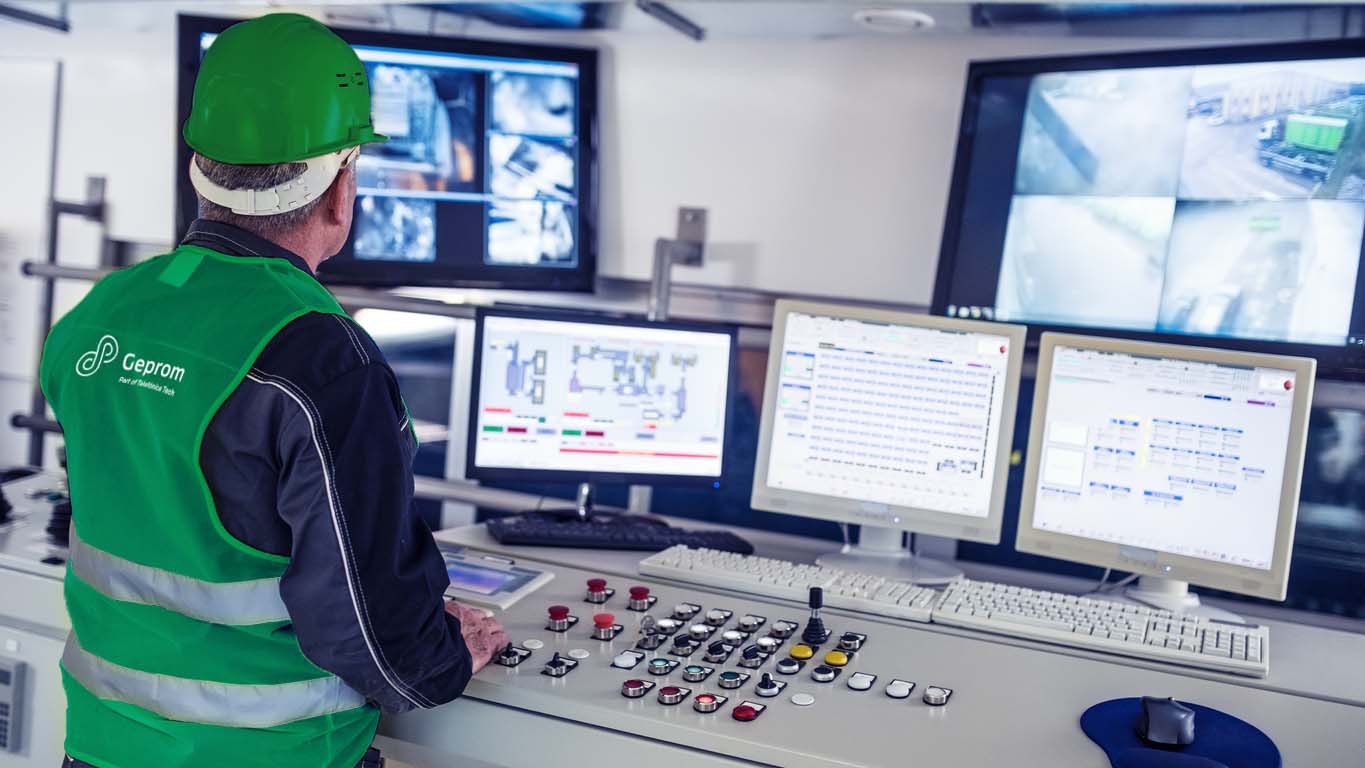
What is SCADA and what is it for?
SCADA systems control networks for optimization, monitoring, and management of companies or large industrial plants.
Although universal, these tools can be customized according to the company’s objectives, collecting data that is later transformed into actionable information, displayed in a user-friendly way for the person responsible for the process.
This person is trained to understand the current conditions of the process, allowing effective decisions to be made safely and efficiently.
SCADA, composed of hardware and software, helps your company to:
- Control quality using collected data
- Collect, process, and monitor data in real-time
- Create alarm panels for machine malfunctions
- Control industrial production remotely or via a local network
- Directly interact with devices like HMI interfaces, motors, valves, and sensors
- Sequentially record files or complete databases of events that occurred during production processes
How does the SCADA system work?
The basic structure of SCADA systems starts with PLCs (Programmable Logic Controllers) or RTUs (Remote Terminal Units).
These microcomputers collect data from objects such as valves, HMI interfaces, sensors, and motors, then send it to computers running SCADA software.
The SCADA system processes, distributes, and displays the data to operators, allowing users and workers to manage operations in real-time and make informed decisions.
SCADA systems are not only designed to report problems in a plant but also provide efficient solutions to avoid production loss.
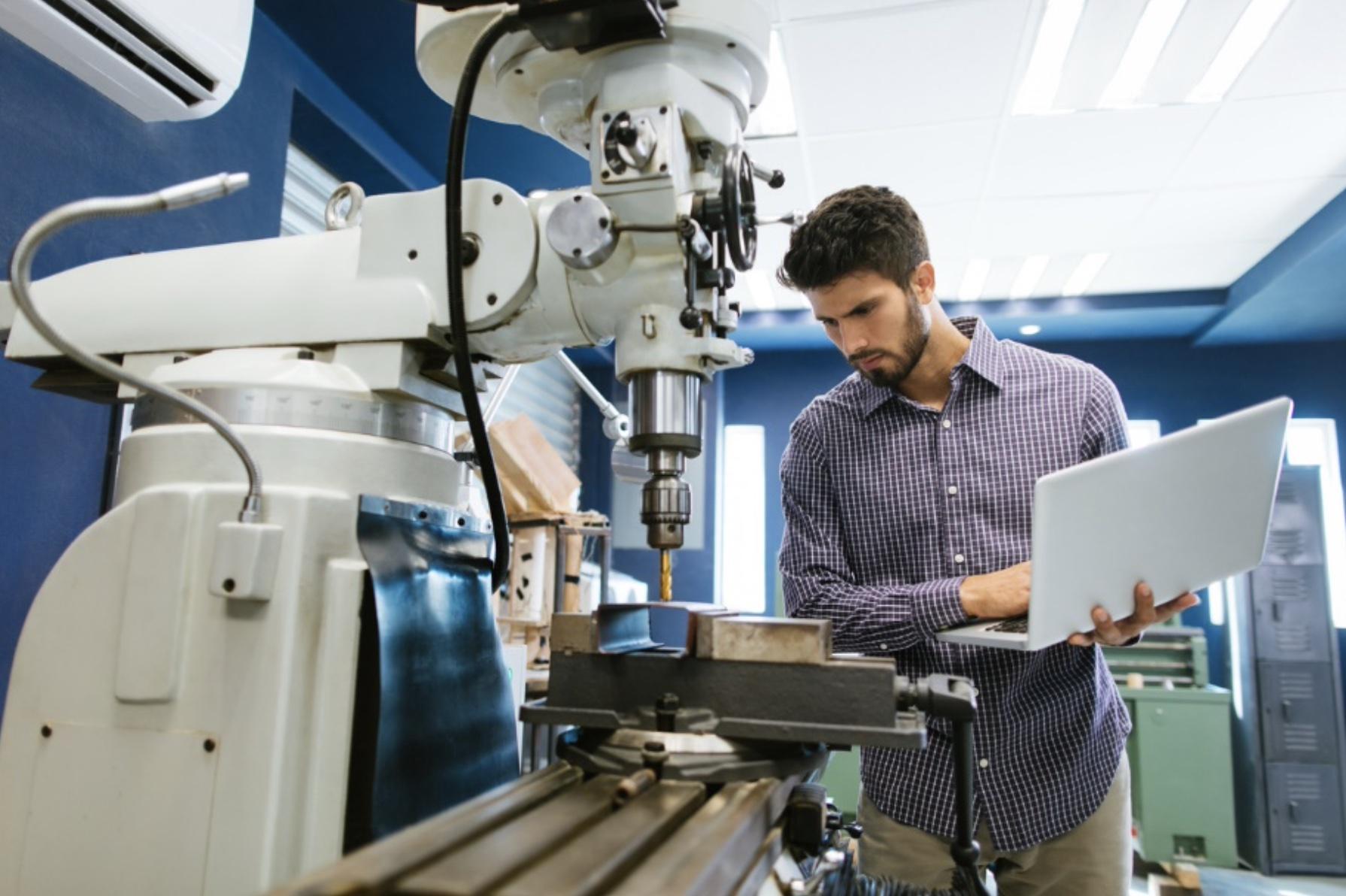
What is an HMI and SCADA?
The Human Machine Interface (HMI) is the way humans interact with machines.
HMI provides your company with the necessary information about machinery operation via real-time graphical panels or displays.
Data is shown on screens and managed by operators, enabling fast and intelligent decision-making.
While SCADA and HMI are different technologies, they complement each other. SCADA becomes indispensable in large-scale production infrastructures, while HMI monitors and interacts with SCADA systems.
Industries using both systems achieve precise data, better production control, and extended machinery life.
Should I implement SCADA?
The success of a SCADA installation depends on proven, reliable technology and comprehensive training for all personnel, highlighting functionalities, applications, and benefits.
SCADA applies to multiple sectors, including:
- Automotive, Railways, Aerospace
- Home Automation
- Heating and Cooling
- Logistics
- Machinery, Packaging, and Mechanical
- Chemical and Petrochemical
- Paper, Ceramics, Wood, and Glass
- Plastics, Textiles
- Water Treatment
- Research
- Food and Beverage Industry
- Power and Energy
- Agroindustry